The compass of Ilha do Ferro (AL): how this trip carved something in us and made thoughts wander

Helena Costa
Mariana Oliveira
Thiago Allis
Ilha do Ferro is a charm. A small village in Alagoas, which neither shrinks nor stretches between the hinterland and Velho Chico. On one side, Alagoas lands. On the other, Sergipe. Its population of about 500 people has water, ubiquitous art, and delicious food. Its people are friendly and emanate some magic in the way time passes. There it seems that we ourselves are more grounded and, at the same time, connected with something that transcends.
The São Francisco River is an entity that cuts through the Brazilian core in its most arid portions. That is why he is so revered in affections, in commerce, in the structuring of life. A stubborn river, which rises in the central massif of the country, and decides to flow north, draining between lowlands and walls, until it reaches the simple sands of the Atlantic coast. Each stretch dialogues and produces a diverse culture, marked by the relationship with the waters and the flows that they have allowed for millennia.
A visit to Ilha do Ferro - which, technically, is not an island, but a backwater in the final third of the São Francisco River - transforms. It transforms like almost all the good trips that attentive and curious hikers take. But it is also worrying: what role and what consequences will tourism have in the near future of this very special place?
In this text, we bring together three Tourism professionals with diverse looks, experiences and performances, passionate about popular art and everything beautiful that Brazil offers. And we know that it is not little - but not always available logistically, symbolically and even financially. In common, we share the impact and reflections that a trip to Ilha do Ferro caused on us. We wanted to share these impressions, taking the risk of deviating from the superficialities of a quick visit. But we think it's worth it: the story can be food for reflection for those who - like us - revere a Brazil that deserves to be lived under the precepts of responsible tourism.
Modestamente, queremos organizar alguns pensamentos de quem achou este lugar tão único, autêntico e capaz de levantar questões para quem atua em desenvolvimento turístico, economia criativa, mobilidades de gentes, coisas e ideias, sustentabilidade e experiências de toda ordem.
Mariana:
To arrive at Ilha do Ferro is to cross a threshold where time embroiders the ties with the line of presence and coexistence. People call us by name, introduce families, share stories like someone who passes the afternoon brewed coffee. Even the dogs of the streets have names — and they belong to everyone. Life here pulsates in the rhythm of the river and the hands that, sculpting wood, transform what the land gives into living art.
In everyday life, wide smiles; in the craft, pride and calm. It is in this scenario that tourism on Ilha do Ferro finds meaning: those who arrive come to learn, know and feel, not to shape. The greatest value is to be what you are, without exchanging it for an idea of "better" that comes from outside.
Ilha do Ferro teaches us that hospitality does not fit into manuals, nor does belonging rise with recipes. It is necessary to listen before teaching, to walk before guiding, to feel before transforming.
And, little by little, one realizes: true luxury is not a dish with a name in French, but the smell of Bruna's or Bia's beans, the lightness of Dona Irene, the taste of Pedro's pizza, the laughter of children playing ball by the river. In this contrast, the invitation opens: to rethink the way we touch the places — and the lives — through which we pass.
Helena:
Parece que voltamos da Ilha do Ferro mais conectados para sermos mais artísticos, para trazermos coisas bonitas e únicas ao mundo. Senti lá uma quietude profunda, misturada com uma inquietude criativa. Um lugar especial, sem dúvida. Nem por isso quero te convencer a ir lá. Tem vários materiais já disponíveis que farão isso com você sem muito esforço.
Because I work with tourism - having seen a lot in the last 20 years - in addition to having training, researching the subject, working in the area and being aware of its burdens and bonuses, I really prefer that it doesn't become one hit. Já vivemos o bastante para ver Jericoacoara, Pirenópolis, Pipa e não queremos cometer os mesmos erros. Quero apenas que não se perca seu valor criativo e comunitário. É necessária uma grande delicadeza ao pisar naquela terra.
O povoado parece longe, parece inalcançável. Mas não é. Parece que se manteve com poucas mudanças no modo de vida nos últimos 100 anos, mas estou certa de que aqueles que conheceram há 10 anos, já notariam muitas diferenças. Ouvi histórias de como era - e de como deveria continuar sendo.
My biggest concerns when leaving there were how this village will preserve, in the coming decades, its characteristics that made it so unique, and still follow the dynamics of the success of its plays and its masters? How will they continue to extract wood in order to sustain the crafts they have created, above all, from it?
A resposta para isso está na mudança de uma prática centenária de ser coletor de madeira - agora é tempo de iniciar outra conduta, de replantar, de regenerar - como sugeriu o Yang, brilhante jovem líder da associação de artesãos. Este é o legado que ele gostaria de deixar.
How to maintain voluminous deliveries to the big cities - I myself witnessed orders of 150 pieces of a single model in an order for São Paulo - and maintain a calm life there in that part of the world? How would it be possible to expand the gains - in multiple dimensions - for the artists and their families, while valuing their know-how, as well as the genuine coexistence with those who decide to visit the Island? How can we prevent other middlemen from coming to market a rich tourist experience that is there in the studios, just waiting for a design and a perception of its intrinsic value?
Algo que me incomoda e atiça a minha curiosidade é a relação comercial com os distribuidores. Em buscas online, constatei peças vendidas em lojas especializadas por valores de 200 a 330 reais. Essa mesma peça custa 50 reais se comprada diretamente na mão do artista. Isso me gera um mal-estar que não pareceu acometer nenhum dos artistas para quem perguntei sobre a relação. Essa questão me move para maiores investigações futuras, mas parece mais minha do que deles...
De toda maneira, saio provocada em um sonho: de viver mais tempo ali, e trabalhar ao lado deles para co-criar experiências nos ateliês, respeitando o tempo e a lógica de cada artista, que poderia passar a vender mais do que um objeto de arte, mas sim uma experiência artística e formativa de grande valor para os visitantes - em uma escala que respeite a vida que se vive ali.
Thiago:
Ilha do Ferro, part of the municipality of Pão de Açúcar, on the edge of Alagoas, has been gaining visibility, mainly due to the circulation of art that travels through social networks, travelers' suitcases and bags, store freight, as well as by those who come looking to experience, see, feel the essence of this creative environment.
Uma das reflexões que fiz sobre esse lugar e o que aí se produz diz respeito sobre os muitos circuitos que peças de arte popular desenham mundo afora - desde a concepção estética quase ancestral até a venda e o pouso em lares distantes.
Of course, this subject is not new when discussing art trade, the so-called popular. Here, polychrome wooden objects are clothed with an ambivalence: on the one hand, the opportunity to experience culture in loco, visiting a village that little by little enters the map of unconventional tourism possibilities; and of course, this includes symbolically and economically consuming artistic creation from the bowels of Brazil; on the other, a growing drain of pieces, which, because they enter the repertoire of taste (or fashion) of urban and distant middle classes, feed the portfolios of commercial intermediaries, to order, acquire, transport and market them widely (especially online)
In any case, the Iron Island is set in motion itself, it extends its borders beyond Velho Chico. To a large extent, the curious who arrive - like us! - are active agents of this mobilization of a place that, until not so long ago, few people would have been able to locate on a map. All of this sharpens the palate of a mobility researcher. The purchase in loco dialoga muito com essa visão das mobilidades que eu tenho trabalhado.
I start from the theoretical-methodological assumption: following things, in their materiality and relationships, helps us to understand contemporary phenomena – including tourism.
Ao esquadrinharmos o caminho das coisas, temos a chance de entender a dinâmica dos fatos em todas as suas dimensões, a partir de outras miradas e conexões: dos indivíduos a elas vinculados, dos processos territoriais, das dinâmicas econômicas, das dimensões simbólicas, em função daquele mover-se, do mover-se das coisas.
Isso não se resume à perspectiva de um estudo econômico, como é que essa cadeia produtiva se constrói, como é que se agrega valor entre a origem da matéria-prima até seu consumo na outra ponta. Isso interessa e elucida certas nuances, mas, na forma como o estudo das mobilidades sugere, trata-se sobretudo de identificar os pontos dessas cadeias em que experiências turísticas são produzidas.
Mas voltemos à Ilha do Ferro. Essas peças são produzidas ali, vão gradativamente agora movendo-se em novos circuitos de valorização nacional e, possivelmente, até internacional. Essa nova trama de relacionamentos se estrutura a partir de vários caminhos: projeção midiática, circulação nas redes, promoção dos estados, pessoas que visitam e contam, influenciadores, matéria na revista da Gol, etc.
This Ilha do Ferro projection feeds the construction of an imaginary, predominantly associated with the aesthetics and materiality of the colored wooden pieces. With this, these products circulate symbolically - then people either want to buy in the online store, in the gallery, or they want to go there to buy in person. Desires are created in the gaps and links of this symbolic and material circulation. In some cases, this generates a demand for intermediaries to make the pieces available in physical or virtual stores, and more and more people consume Ilha do Ferro through the purchase of that art, but are not necessarily interested or willing to live locally. In other cases, these circulations produce a curiosity of other groups of people to go there because they have a sensitivity and other stimuli to know the context of production, to live the place, to know the artisan, to have experience of the São Francisco, and, finally, to buy in loco. In other words, it is tourism associated with a materialized and territorialized cultural production, rooted on the banks of the river-life.
Here we have a challenging crossroads: if, on the one hand, supplying distant and voluminous markets (in online sales or through middlemen) guarantees regular and possibly higher revenue, on the other hand, this can generate quantitative production pressure and, the more people are willing to know the village, generate frustration in the event of shortages (now directed to commercial deliveries on a scale - for consumers who have the sensitivity to know, vaguely, no more than the name of the place). In a sense, fame – and even recognition – can result in an autophagy of the intrinsic advantages of this inspired and inspiring place, undermining unique potentialities. Who and how will balance this rule is a question that is primarily up to that same community.
Mais do que tergiversações teóricas, essas dimensões menos óbvias das mobilidades podem servir de guia para leituras de práticas turísticas ligadas a uma produção cultural num território determinado e, a partir disso, estruturar plataformas de ação para o desenvolvimento local.
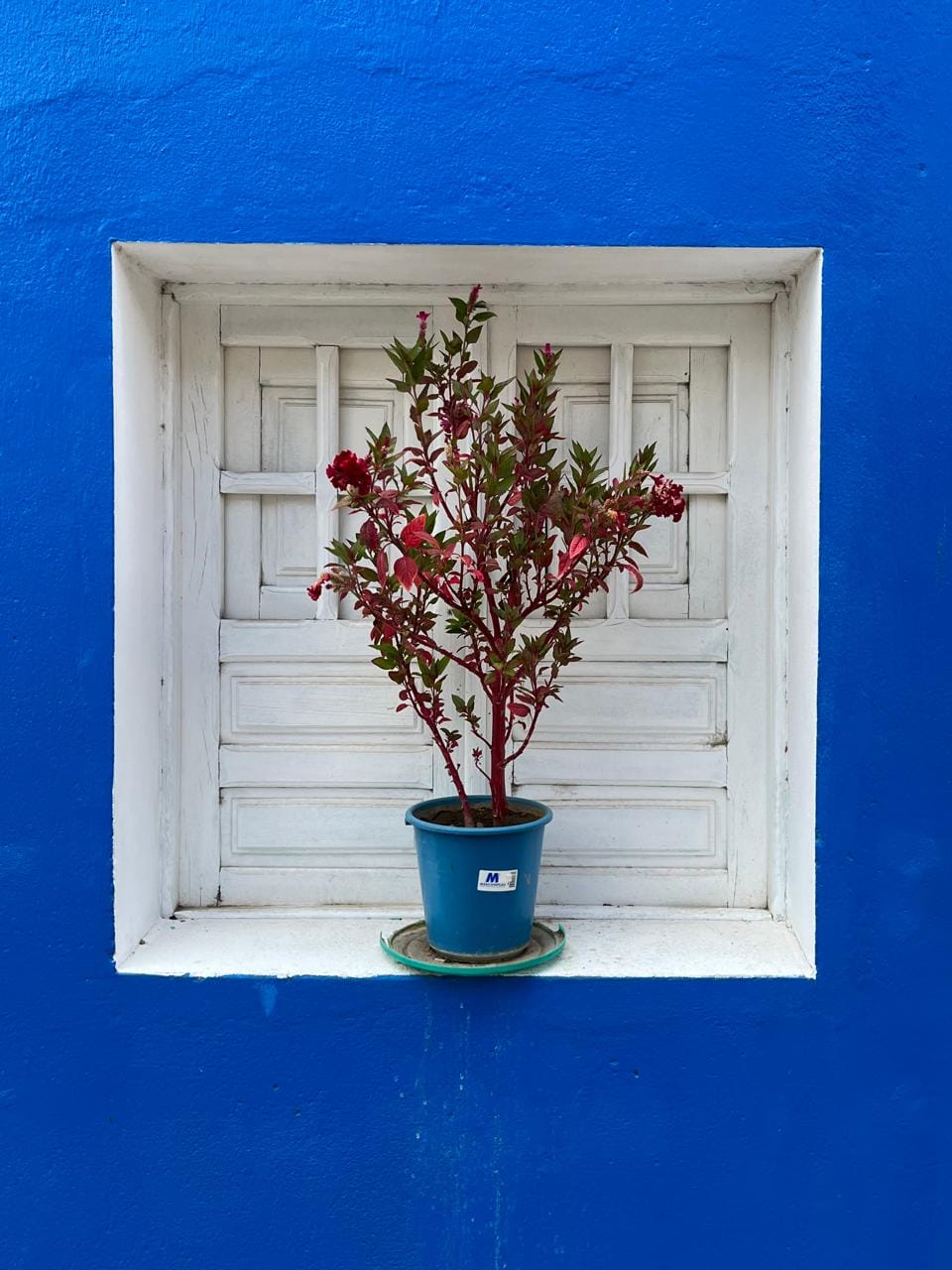
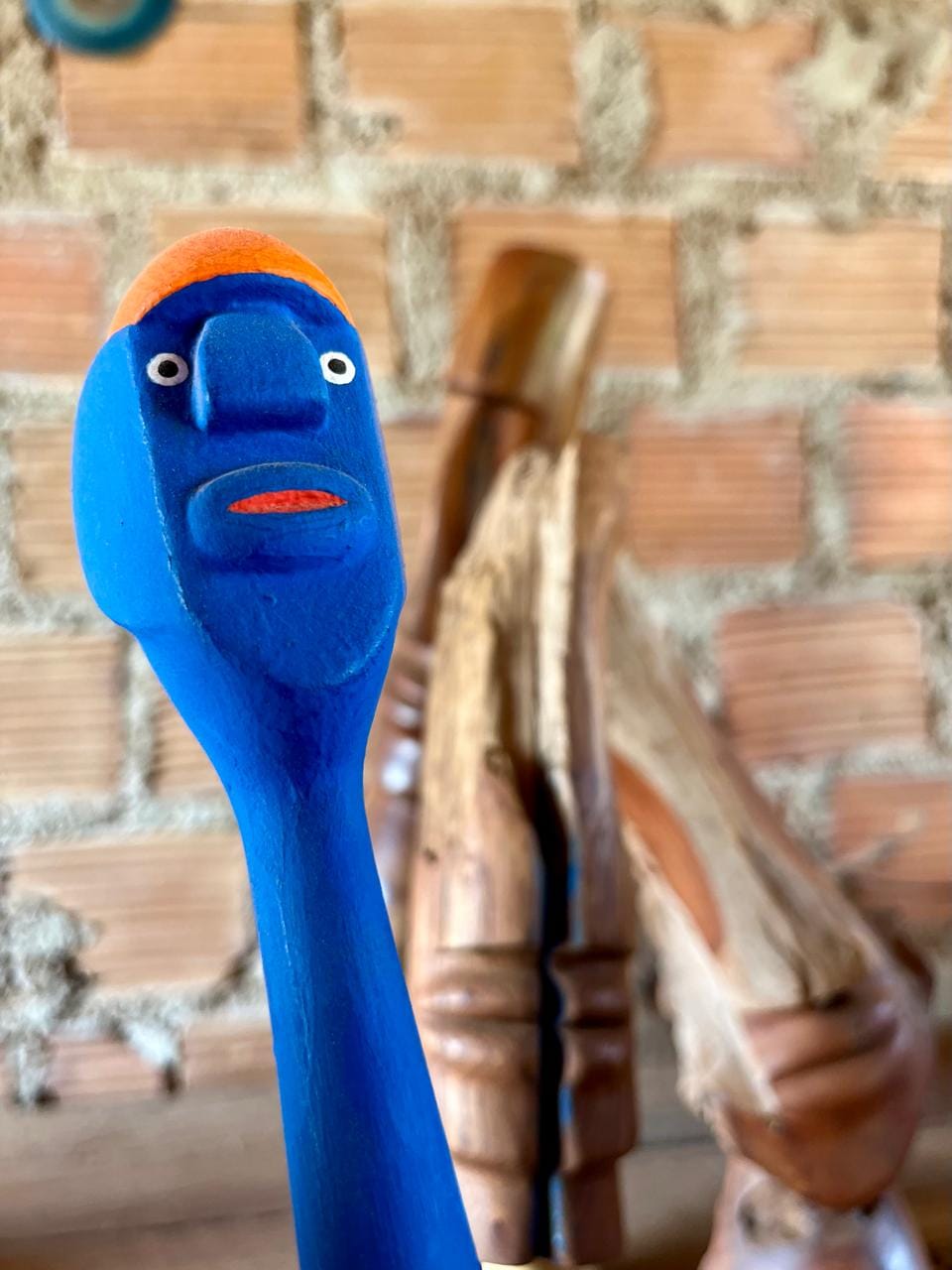
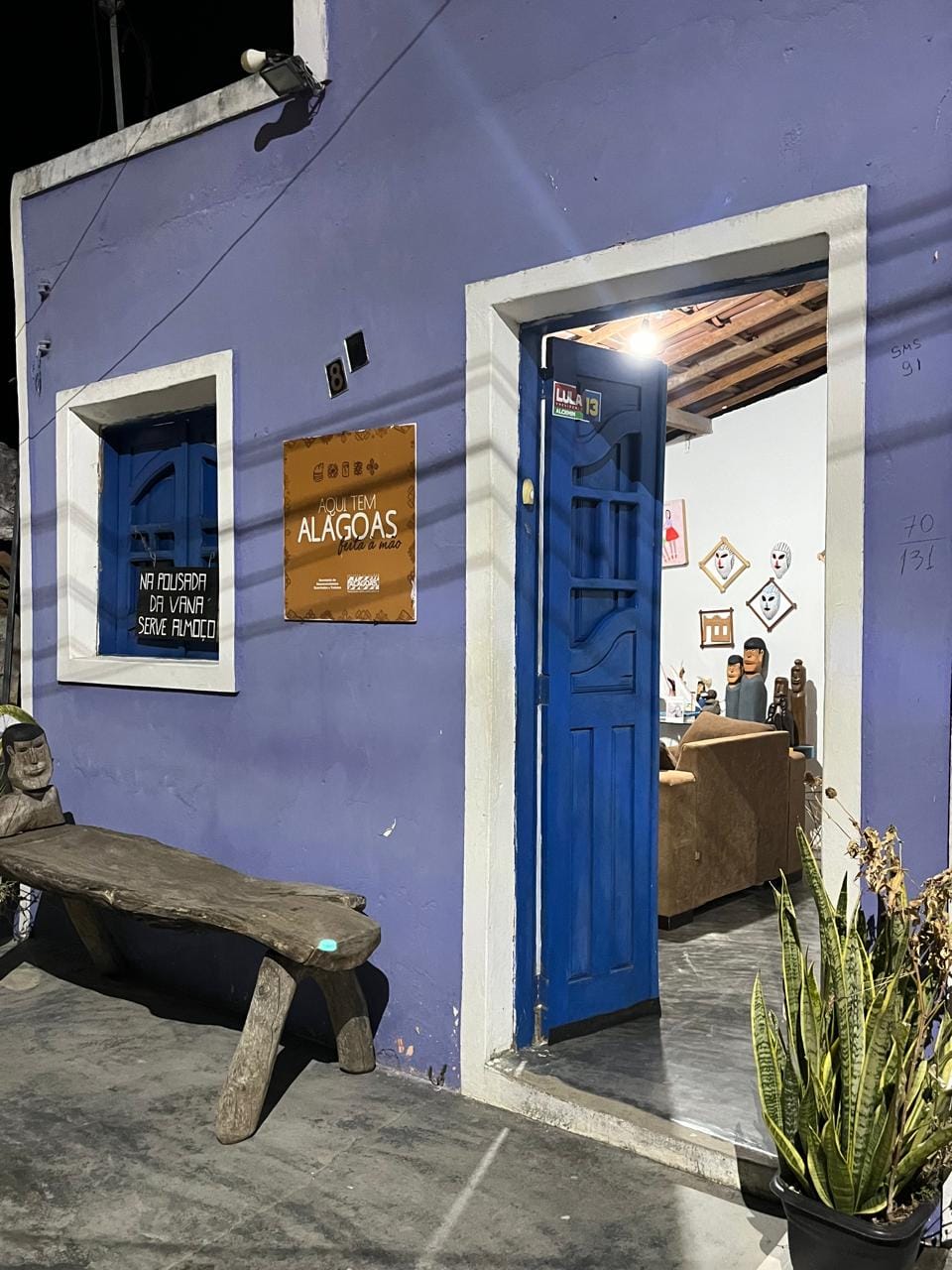
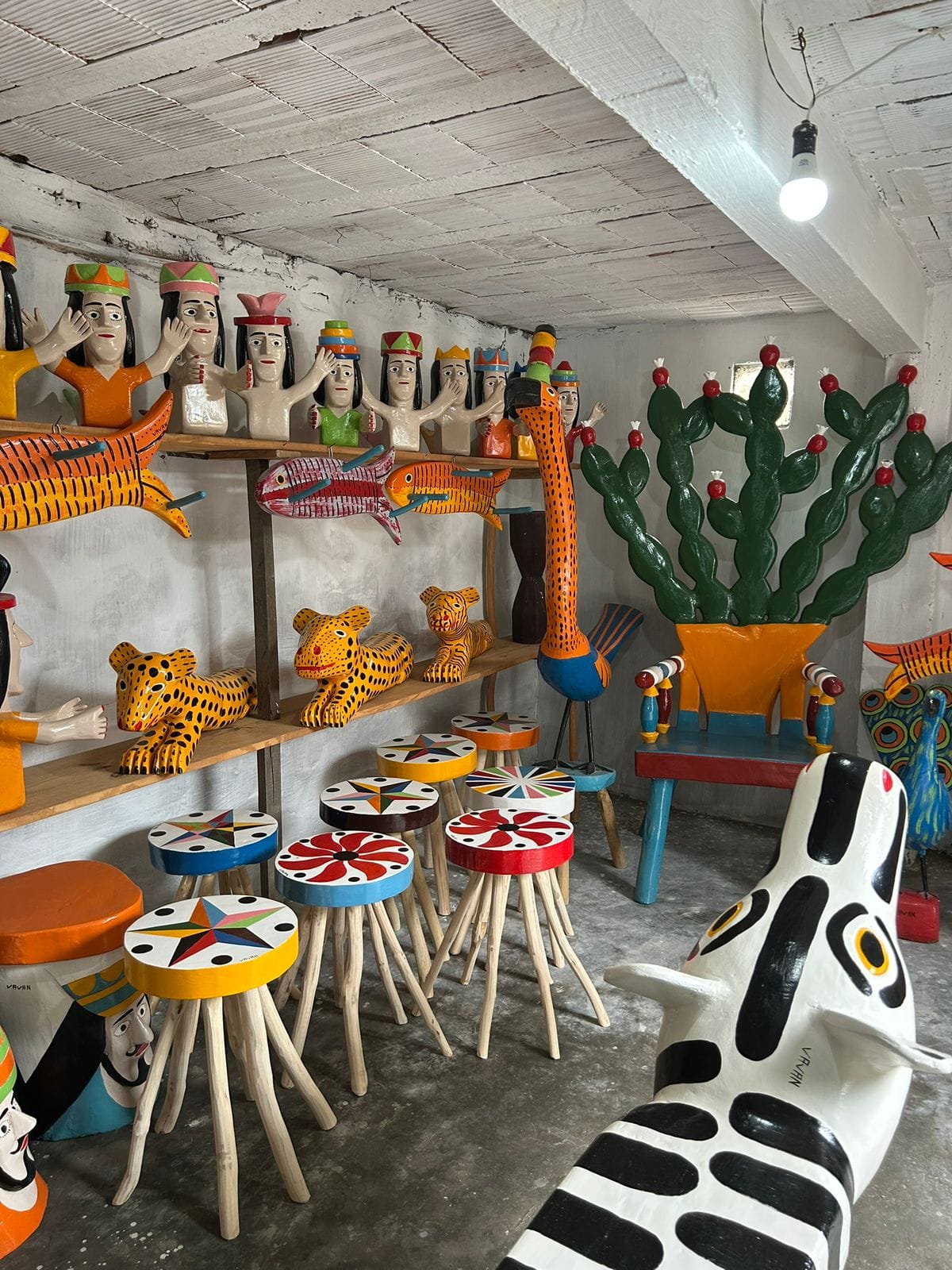
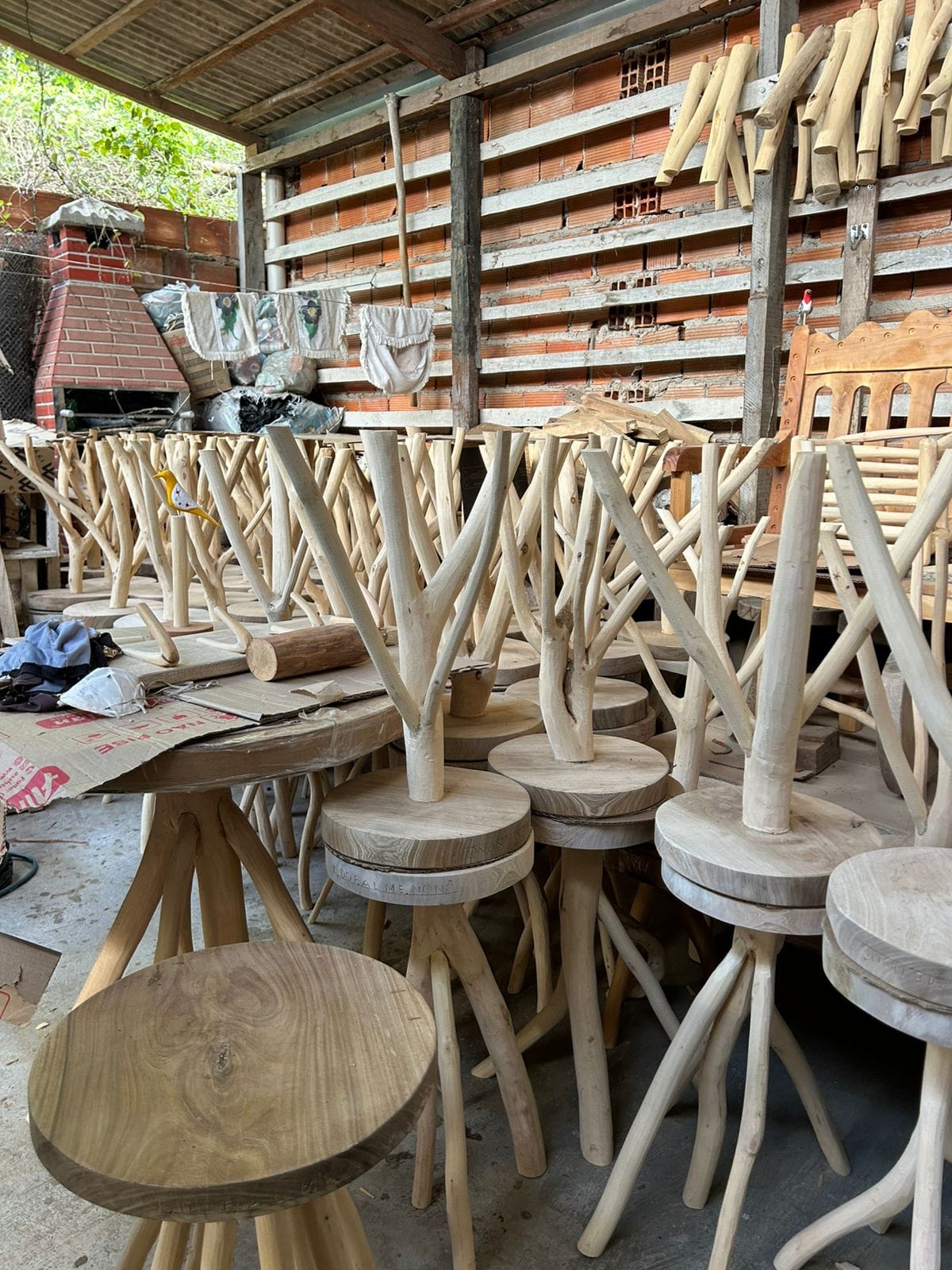
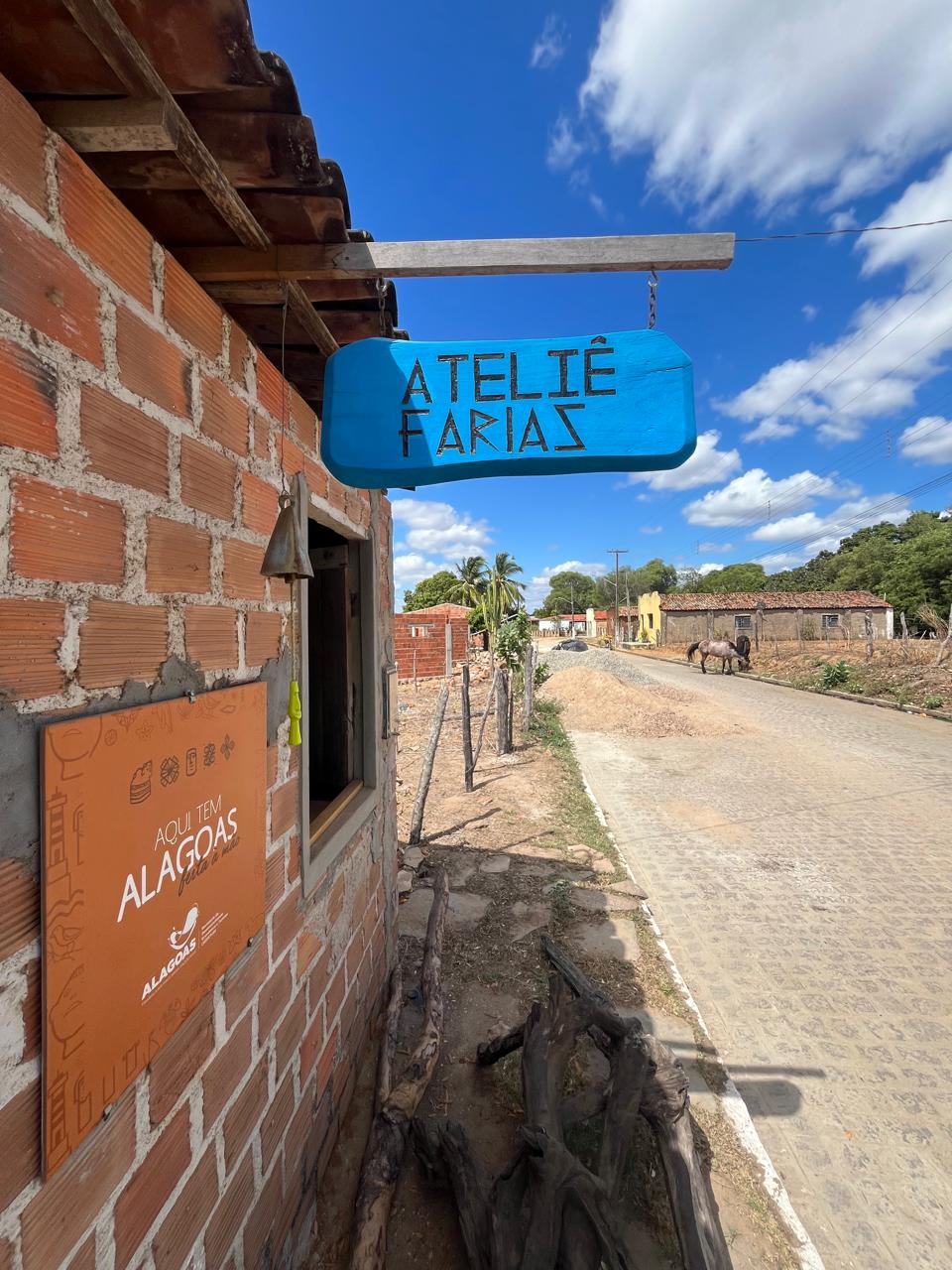
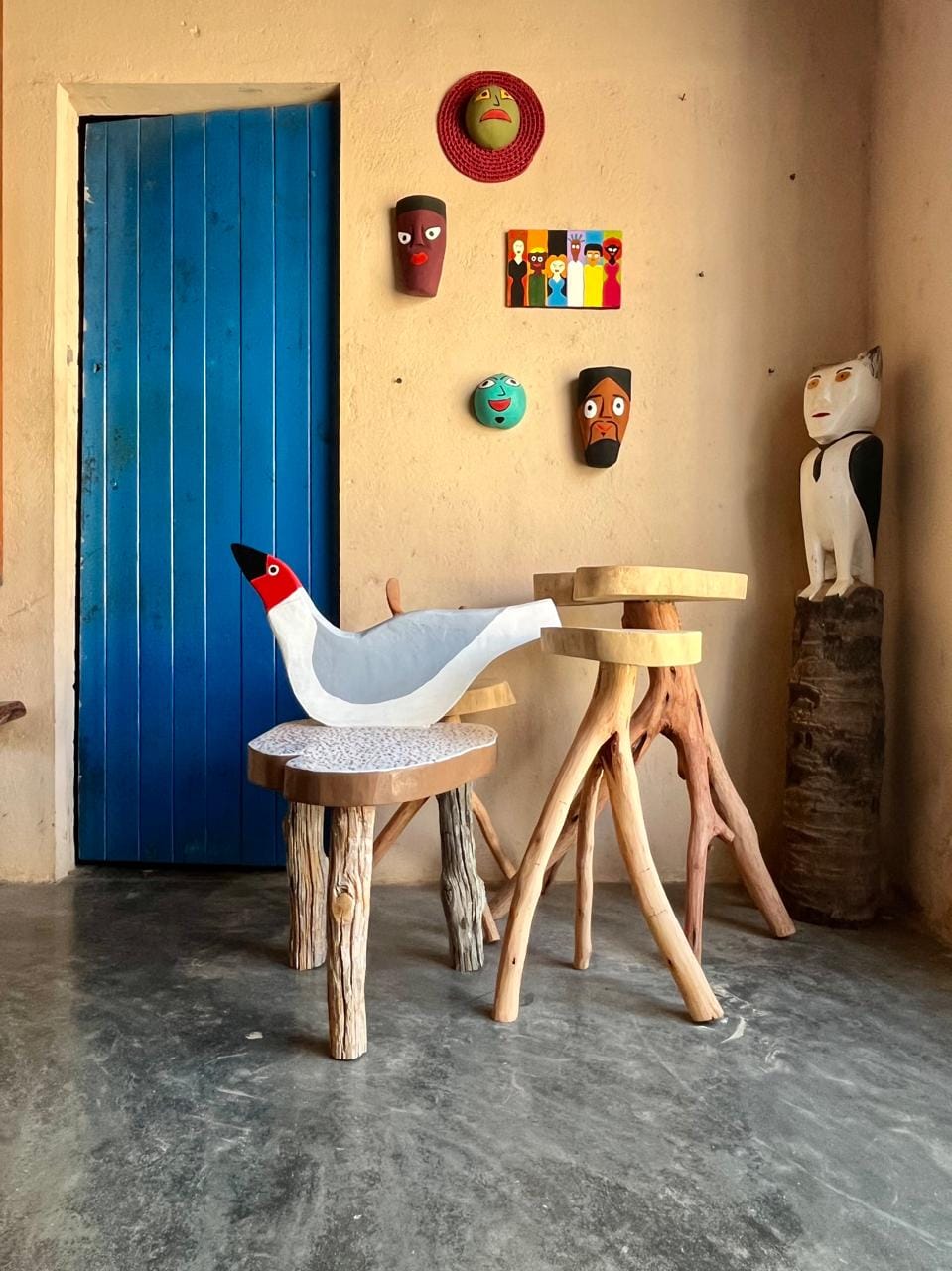
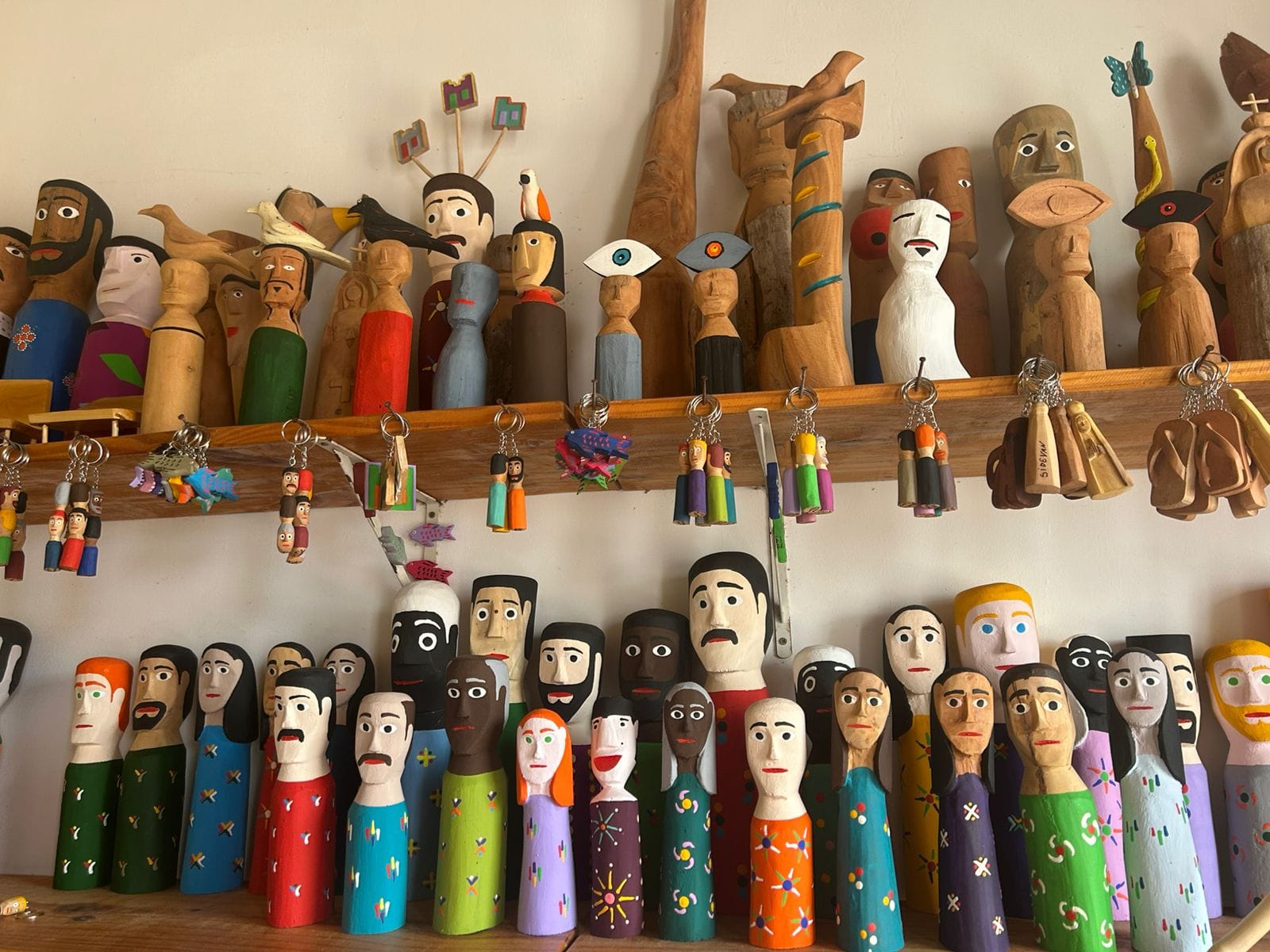
Images of Ilha do Ferro. Top row: Thiago Allis. Bottom row: Helena Costa
About Us
Helena Costa é de Brasília, onde é professora de Turismo e Administração na Universidade de Brasília, com atuação em pesquisa no LETS, projetos e políticas públicas em turismo e sustentabilidade.
Mariana Oliveira é arquiteta e bacharel em Turismo, vive em Recife e tem vivência em desenhar roteiros e experiências extremamente peculiares pelo Brasil.
Thiago Allis is a professor and researcher in Tourism at EACH USP, and is dedicated, along with many other engaged people, to the study of mobility and tourism at Mobtur.
Links MobTur
To learn more:
Stories from Home Iron Island
Iron Island Miniguide The Summer Hunter